
Understanding Vertebral Fracture
Vertebral Fracture
A vertebral fracture is a break or collapse of a vertebra, often caused by trauma, osteoporosis, or repetitive stress, resulting in pain and instability.
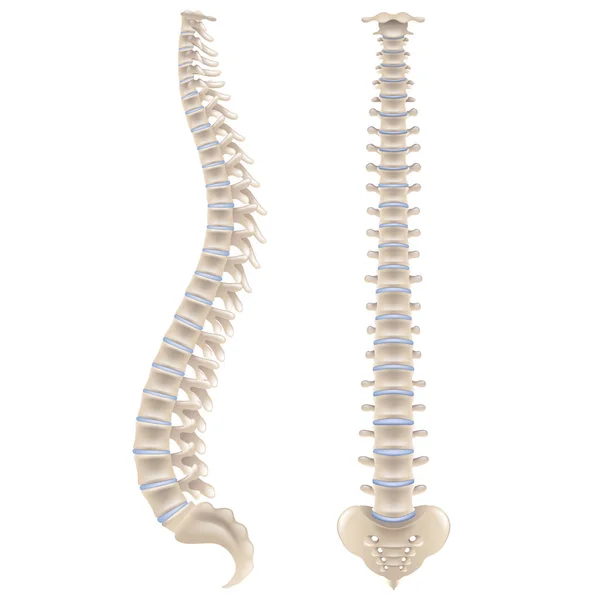
What is a Vertebral Fracture?
A fracture or collapse of a vertebra corresponds, in most cases, to the crushing of the anterior part of the vertebra (the vertebral body). The vertebral body can be compared to a box, and its fracture may correspond to a simple sinking of its lid (vertebral endplate) or total crushing. In elderly individuals, vertebral collapses occur quite frequently, being a consequence of significant bone fragility (osteoporosis).
Evolution of Vertebral Fracture
Osteoporotic fractures or collapses consolidate spontaneously in the vast majority of cases within a few weeks, but they can cause pain and spinal deformation.

TESTS
A spinal fracture can be diagnosed through a simple X-ray or computed tomography (CT scan). Magnetic resonance imaging (MRI) is very useful for determining whether the fracture is recent or old.
Treatment Possibilities
Vertebral Fracture Treatment Options
Depending on the type and severity of the fracture, treatment may consist of immobilization with a brace or corset; the injection of cement into the vertebra (Vertebroplasty) to reinforce it; or surgery to stabilize the vertebra with metal implants (osteosynthesis).

Surgical Procedure
Vertebroplasty
Percutaneous vertebroplasty consists of the injection of cement into the vertebral body after a collapse, fracture, or presence of a tumor. It is a percutaneous procedure, as the cement is introduced through the skin with a simple needle, guided by fluoroscopy, and is performed under local anesthesia.
The goal of cement placement is twofold. It allows for the immediate consolidation of a weakened vertebra, offering the patient the possibility of avoiding the use of a rigid brace. Additionally, it is performed to treat back pain related to the collapse or the tumor.
This procedure is performed in most cases without the need for hospitalization, or at most with 1 day of hospitalization.
Frequently Asked Questions about Vertebral Fracture
Discover the answers to the most common questions about vertebral fractures, their causes, symptoms, and available treatments.
What is a vertebral fracture?
A vertebral fracture is a break or fissure in one of the vertebrae that make up the spine. These fractures can vary in severity and are often caused by trauma, such as falls or accidents, or by conditions that weaken the bones, such as osteoporosis.
What are the common symptoms of a spinal fracture?
Symptoms may include intense pain in the affected region of the spine, difficulty moving or maintaining an upright posture, tingling, numbness or weakness in the limbs, and, in severe cases, loss of bladder or bowel control.
What are the most common causes of vertebral fractures?
Vertebral fractures can be caused by:
Trauma: car accidents, falls from heights, sports injuries.
Osteoporosis: weakening of the bones that makes the vertebrae more susceptible to fractures, even with mild trauma.
Tumors: that weaken the bone structure of the spine.
How is a vertebral fracture diagnosed?
The diagnosis involves a detailed clinical evaluation and imaging tests, such as X-rays, computed tomography (CT) scans, or magnetic resonance imaging (MRI), to determine the location and severity of the fracture.
What are the available treatment options?
Treatment depends on the severity of the fracture:
Conservative: use of orthopedic braces, analgesics, physical therapy, and rest.
Surgical: in cases of unstable fractures or those with neurological impairment, procedures such as vertebroplasty or kyphoplasty may be necessary to stabilize the vertebra.
How long does it take to recover from a spinal fracture?
The recovery time varies according to the severity of the fracture and the adopted treatment. Mild fractures may heal in a few weeks, while more severe cases may require months of rehabilitation and continuous medical follow-up.
Is it possible to prevent vertebral fractures?
Yes, some preventive measures include:
Maintaining a diet rich in calcium and vitamin D.
Practicing physical exercise regularly to strengthen bones and muscles.
Avoiding falls, especially in the elderly, by using non-slip mats and grab bars in bathrooms.
Treating medical conditions that weaken the bones, such as osteoporosis.
Can a person with a spinal fracture walk again?
In most cases, yes. With adequate treatment and rehabilitation, many patients regain the ability to walk. However, recovery depends on the severity of the fracture and the presence of associated neurological injuries.
What are the risks associated with spinal fractures?
Complications may include chronic pain, spinal deformities, neurological impairment, such as partial or total paralysis, and reduced quality of life. Adequate and early treatment is essential to minimize these risks.
What should be done in case of a suspected vertebral fracture?
It is essential to seek immediate medical attention. Avoid moving the injured person and await the arrival of trained healthcare professionals to safely assess and treat the injury. Inappropriate movements can aggravate the fracture and cause additional damage to the spinal cord.