
Understand Cervical Myelopathy
Cervical Myelopathy
Cervical myelopathy is a condition resulting from the compression of the spinal cord in the cervical region, leading to weakness, pain, and coordination problems in the upper limbs.
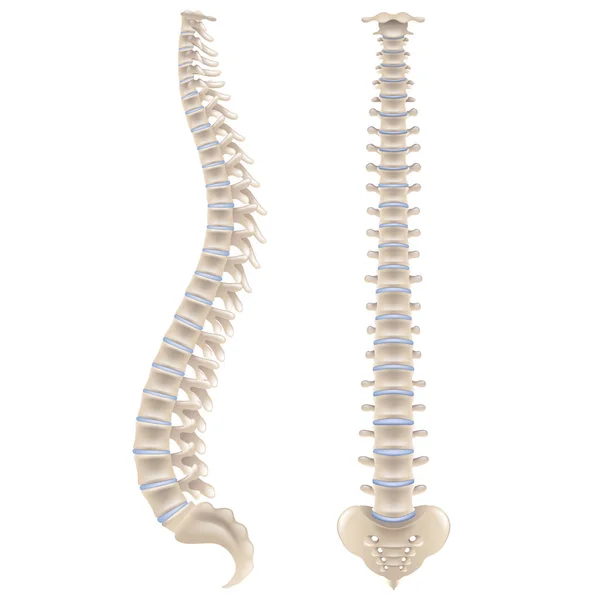
What is Cervical Myelopathy?
Evolution of Cervical Myelopathy
The progression of cervical myelopathy can be slow or fast, depending on the severity and cause of the spinal cord compression. In some cases, symptoms remain stable for long periods; in others, the condition worsens rapidly, resulting in a significant loss of function. Without treatment, myelopathy can lead to permanent limitations in mobility, strength, and coordination.

SYMPTOMS
Symptoms vary, but frequently include:
> Decreased strength and coordination in the hands, making activities like holding objects or writing difficult.
> Feeling of imbalance or difficulty walking.
> Cervical pain, associated or not with cervicobrachial neuralgia (pain radiating to the arms).
> Tingling, numbness, or loss of sensation in the arms, legs, or both.
> In severe cases, loss of bladder or bowel control.
TESTS
Cervical myelopathy is diagnosed through a detailed clinical examination and confirmed by imaging tests. Magnetic resonance imaging (MRI) is the method of choice, as it assesses both bony structures and soft tissues, including the spinal cord. Computed tomography (CT) may be used in cases where MRI is contraindicated.
Treatment Possibilities
Treatment Options for Cervical Myelopathy
Initial treatment may include physical therapy and anti-inflammatory medications to relieve mild symptoms, but moderate to severe cervical myelopathy usually requires surgical treatment to prevent progression.
Principles of Surgical Treatment
Criteria for Cervical Myelopathy Surgery
The goal of surgery is to decompress the spinal cord, removing the cause of the compression. Depending on the severity and location of the compression, anterior, posterior, or combined approaches may be used.

Surgical Procedure
The Surgery
-
Anterior approach:
Indicated for compressions caused by disc herniations or osteophytes. It includes the removal of the disc and, in many cases, the placement of an implant (arthrodesis or prosthesis). -
Posterior approach:
Used in cases of multisegmental stenosis or when the spinal cord is compressed from behind. It may include laminectomy or laminoplasty.
POST-OPERATIVE CARE
After surgery, the patient is encouraged to mobilize early, using a cervical collar if necessary. A physical therapist teaches safe movements for daily life. Discharge usually occurs 24 to 48 hours after surgery, depending on the complexity of the procedure.
CONVALESCENCE
Recovery includes rest, light walking, and progressive physical therapy. Physical therapy aims to restore strength, coordination, and mobility, with a focus on stretching and strengthening exercises. Full recovery can take 6 to 12 weeks, depending on the type of surgery and the initial severity of spinal cord compression.
> Long Term:
With proper treatment, many patients recover a satisfactory quality of life. There are no contraindications to resuming an active life, including sports activities, provided that limits and medical guidelines are respected.
Frequently Asked Questions
What is cervical myelopathy?
It is a neurological condition caused by the compression of the spinal cord in the cervical region (neck), often due to degenerative changes such as spondylosis, disc herniation, or ligament hypertrophy.
What are the common symptoms?
Symptoms include low back pain, intermittent claudication, tingling, and weakness in the legs, which may worsen over time.
What are the most common causes?
The most frequent causes are degenerative changes of the cervical spine, such as spondylosis (osteoarthritis), disc herniation, ligament hypertrophy, and the formation of osteophytes.
How is the diagnosis made?
The diagnosis involves detailed clinical evaluation and imaging tests, such as magnetic resonance imaging or computed tomography, to identify spinal cord compression.
What are the treatment options?
Treatment may include physical therapy, medications for pain relief, and, in severe cases, surgery for spinal cord decompression.
Can cervical myelopathy be cured?
Although treatment can relieve symptoms and prevent progression, existing neurological damage may be irreversible. Surgery aims to stabilize the condition and improve the quality of life.
Who is more prone to developing this condition?
People over 50 are more susceptible due to the natural aging of the spine.
What activities should be avoided?
Activities involving sudden neck movements or excessive weight lifting should be avoided so as not to aggravate spinal cord compression.
How to prevent cervical myelopathy?
Maintaining good posture, exercising regularly, avoiding smoking, and controlling body weight are measures that help prevent degenerative changes in the cervical spine.
What is Lhermitte's sign?
It is an electrical shock sensation that runs down the spine upon flexing the neck, indicating possible compromise of the spinal cord.