
Understand Lumbar Spinal Stenosis
Lumbar Spinal Stenosis
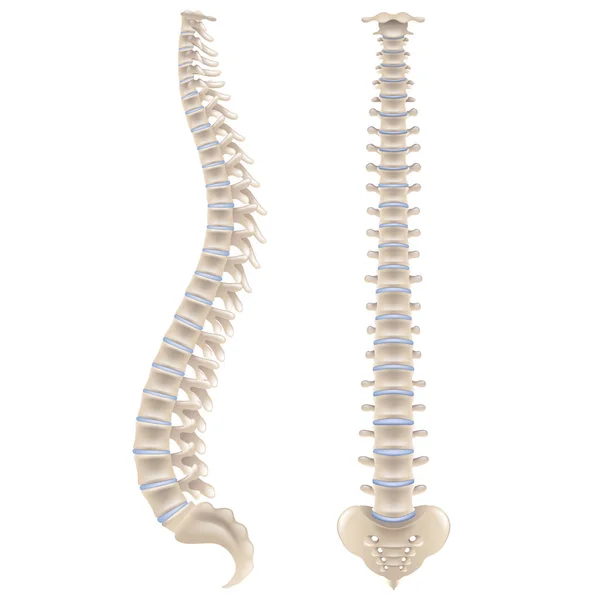
What is Lumbar Spinal Stenosis?
Evolution of Lumbar Spinal Stenosis
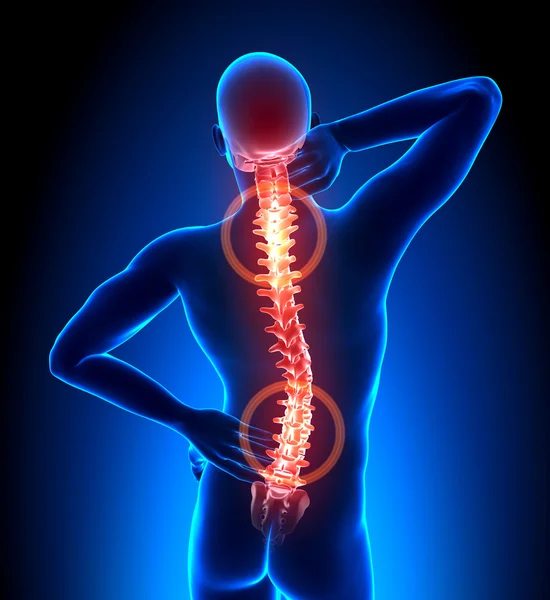
SYMPTOMS
The most classic symptom of lumbar spinal stenosis is intermittent claudication, a progressive difficulty in walking, appearing after covering a certain distance (hundreds of meters or less), forcing the person to stop for a few minutes before resuming.
It may involve:
> Weakness in the legs.
> Sciatic pain in one or both legs.
The progression tends to worsen, progressively reducing the distance the person can walk. In the most severe stages, paralysis may occur. When associated with vertebral instability or scoliosis, there may also be low back pain.
TESTS
The diagnosis is performed with a CT scan (computed tomography) of the lumbar spine. X-rays of the spine are essential to identify possible instabilities.
Treatment Possibilities
Treatment Options for Lumbar Spinal Stenosis
The goal is to relieve inflammation in the compressed nerve roots and await the possible resolution of the episode. However, the general trend is progressive worsening over the years. If symptoms do not improve, surgery may need to be considered.
Principles of Surgical Treatment
Criteria for Lumbar Spinal Stenosis Surgery
If the progression is not favorable, the surgeon will evaluate the severity of the symptoms, the time of evolution, and the severity of the canal narrowing to determine the need for surgery. The procedure consists of:
> Laminectomy: Removal of part of the vertebra to decompress the nerves.
> Stabilization (if necessary): In cases with instability, implants may be added to reinforce the spine.
Surgery is one of the most performed on the spine and has been around for over 50 years. Two crucial points for success are:
1. Operating before paralysis, since, after the first signs, nerve recovery is uncertain.
2. Correctly diagnosing whether only nerve decompression is sufficient or if the spine will need to be stabilized.
One of the techniques I use most for the treatment of this pathology is Spinal Endoscopy. (Click here to learn more)

Surgical Procedure
Endoscopy
Decompression of lumbar spinal stenosis through endoscopy is a minimally invasive procedure that allows the surgeon to relieve pressure on the compressed nervous structures. Using advanced techniques and specialized instruments, the surgeon can access the affected area with precision, removing the tissues that are causing the obstruction. This method reduces recovery time and decreases the risk of complications, providing pain relief and improving patient mobility.
POST-OPERATIVE CARE
– How to stand up, lie down, and perform tasks without excessive effort.
– Correct movements for daily life.
The patient is discharged with:
– Prescription for analgesic medications.
– Dressing care.
– Indication of rest until the follow-up appointment.
CONVALESCENCE
– First 2-3 weeks: Avoid activities such as cleaning, shopping, driving, and lifting weights, even light ones.
– After this initial period, physiotherapy treatments begin, including:
– Massages on the scar and painful areas.
– Movement re-education to strengthen the spine and lower limbs.
Frequently Asked Questions
What is lumbar spinal stenosis?
It is a condition characterized by the narrowing of the vertebral canal in the lumbar region, where the spinal cord and nerve roots pass through. This narrowing can compress the nervous structures, causing pain and other symptoms.
What are the most common symptoms?
Symptoms include low back pain, numbness, tingling or weakness in the legs, and difficulty walking, especially over long distances.
What are the causes of lumbar spinal stenosis?
The most common causes are degenerative changes related to aging, such as osteoarthritis, spondylolisthesis, spondylolysis, and the formation of bone spurs.
How is the diagnosis made?
The diagnosis is performed through clinical evaluation and imaging tests, such as magnetic resonance imaging or computed tomography, which identify the degree of narrowing of the vertebral canal.
What are the available treatment options?
Treatment may include physical therapy, analgesic and anti-inflammatory medications, and, in severe cases, surgery to decompress the nervous structures.
Is surgery always necessary?
No. Surgery is only considered when conservative treatments do not provide adequate relief of symptoms or in cases of severe complications.
Who is most predisposed to developing lumbar spinal stenosis?
People over 50 are more likely to develop this condition due to the natural degenerative changes of the spine.
Can lumbar spinal stenosis worsen over time?
Yes, without proper treatment, the condition can progress, increasing pain and functional limitation.
Is it possible to prevent lumbar spinal stenosis?
While it is not possible to completely prevent it, maintaining a healthy weight, exercising regularly, and adopting correct posture can help reduce the risk of developing or worsening the condition.
What is the recovery time after surgery?
Recovery time varies according to the patient and the type of surgery performed, but generally involves physical therapy and medical follow-up to ensure proper rehabilitation.