
Spine Endoscopy
Spine Endoscopy or Unilateral Biportal Endoscopy (UBE) is a minimally invasive surgery that is gaining recognition and is being widely used in clinical practice.
> Direct insertion of the endoscope lens: Allows for clear and direct visualization of the pathological region in the narrow lumbar canal.
> Precise localization of the pathology: The endoscopic approach facilitates the exact identification of compressed or degenerated areas.
> Advantage over microscopic surgery: In microscopic surgery, it is not possible to directly visualize inside the narrow lumbar canal as in endoscopy.
> Preservation of lumbar musculature: Being minimally invasive, the technique preserves the lumbar musculature, reducing surgical trauma and accelerating recovery.
IMPROVE YOUR QUALITY OF LIFE

ARE YOU A POTENTIAL CANDIDATE FOR AN ENDOSCOPY?
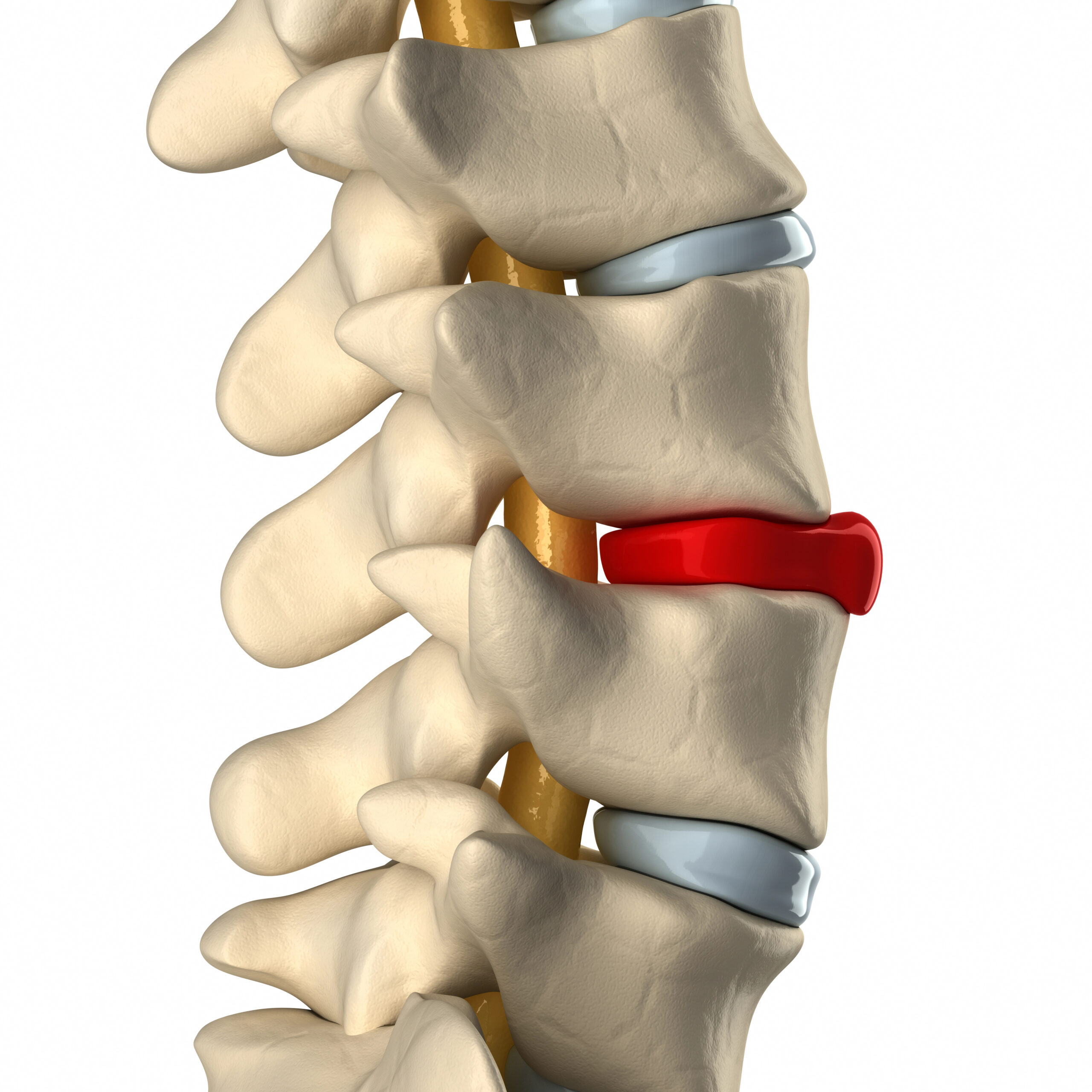
Spine endoscopy is a suitable solution for conditions such as lumbar disc herniation, lumbar spinal stenosis, and certain cervical and thoracic lesions, providing an effective approach for those suffering from severe and chronic pain.
> Lower back pain, pain in the lower back region, which can be continuous or intermittent.
> Radiating pain, pain that spreads to the buttocks, legs, or feet (sciatica).
> Numbness or tingling, a sensation of numbness, tingling, or weakness in the legs or feet.
> Neurogenic claudication, difficulty walking long distances due to pain, numbness, or weakness, which usually improves when sitting or bending forward.
> Muscle weakness, reduced strength in the legs, which may make daily activities difficult, such as climbing stairs or lifting objects.
> Loss of balance, a sensation of instability or difficulty maintaining balance when walking.
> Urinary or Bowel Changes (in severe cases), difficulty controlling the bladder or bowels, indicating severe nerve compression (cauda equina syndrome, which requires urgent medical attention).
Towards a Pain-Free Life
Resume Your Activities with Comfort and Safety
THE TECHNIQUE AND SURGICAL METHOD
Why choose Endoscopy?
POST-OPERATIVE
The patient is usually discharged the day after the procedure.
CONVALESCENCE
1st Week
- Relative rest Avoid intense activities, but light movements, such as short walks, are encouraged to prevent stiffness and improve circulation.
- Pain management: Use of analgesics or anti-inflammatories prescribed by the doctor.
- Care of the surgical wound: Keep the incisions clean and dry, following medical guidelines.
2nd to 4th Week:
Light activities: Gradual return to daily activities, such as walking and light tasks around the house.
Physical therapy: May be initiated to strengthen the spine muscles and improve mobility.
Avoid strain: Lifting weights or bending over should be avoided during this phase.
1st Month:
Moderate activities: You may resume activities such as driving and light work, provided they do not involve intense physical exertion.
Specific exercises: Introduction of muscle strengthening exercises and stretches recommended by a physiotherapist.
After 3 Months:
Normal activities: Gradual return to physical and sports activities, according to tolerance.
No limitations: In many cases, patients are able to perform their normal activities without significant restrictions or pain.
Note:
Recovery may vary depending on the degree of compression, patient age, and overall health status.
Listen to your body: Pain is the main indicator to limit or adjust activities during the recovery