
Understanding Lumbar Disc Herniation
Lumbar Disc Herniation
Lumbar disc herniation is a common condition affecting the spine, causing pain and discomfort. It’s important to recognise the symptoms and seek appropriate treatment to improve quality of life.
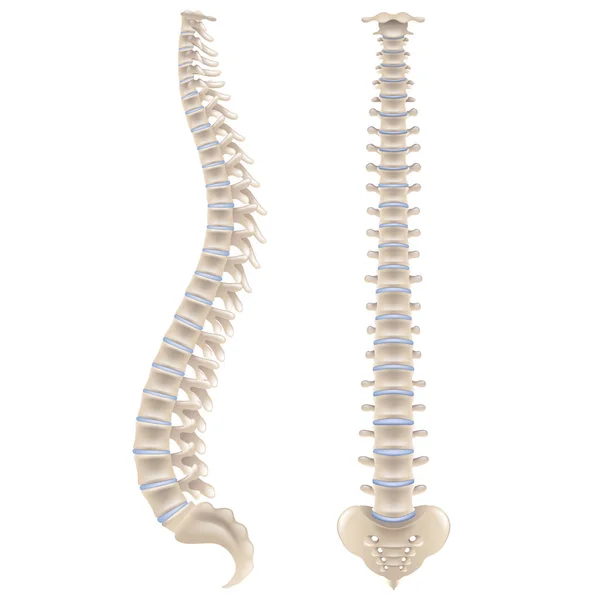
What is Lumbar Disc Herniation?
A disc herniation is when a fragment of the intervertebral disc is expelled from the disc. This expulsion occurs through one or more fissures in the disc and cannot happen in perfectly healthy discs. A disc herniation is different from a disc protrusion, which corresponds to a progressive bulging of the disc as it collapses. Fissures, herniations, and disc protrusions are all consequences of discopathy or degenerative disc disease, a very common condition in the population, which explains the high number of people with disc herniations.
Evolution of Lumbar Disc Herniation
Having a disc herniation is not necessarily serious or painful. Often, disc herniations are discovered in people who have no back pain complaints. A disc herniation becomes painful when it compresses a nerve root located just behind the disc in the spine. The evolution can lead to a decrease in symptoms, even if the herniation itself does not disappear. On the other hand, there may be a worsening of pain and, in more severe cases, paralysis. For many patients, the evolution is cyclical, alternating between periods of pain and remission.

SYMPTOMS
Tests
Treatment Options
Treatment Options for Lumbar Disc Herniation
Principles of Surgical Treatment
Criteria for Lumbar Disc Herniation Surgery

Surgical Procedure
Endoscopy: Disc Herniation Removal
The endoscopic removal of a disc herniation is a minimally invasive procedure that allows the surgeon to precisely access and remove the herniation. Using a high-definition camera and specialised instruments, the surgeon can visualise and treat the affected area without causing significant damage to surrounding tissues. This method reduces recovery time and minimises the risk of complications, providing immediate pain relief and restoring nerve function.
POST-OPERATIVE CARE
The patient is encouraged to get up a few hours after the surgery. A physiotherapist teaches the appropriate movements for daily life, such as getting up, lying down, picking up objects, and performing personal hygiene. Hospital discharge may occur on the same day as the surgery (outpatient) or the following morning. The patient receives guidance on dressings, analgesic medication, and rest until the follow-up appointment.
CONVALESCENCE
At home, it is recommended to alternate rest in a comfortable position (semi-reclined, with legs slightly bent) with light walks on flat surfaces. Initially, walks should last 10 to 15 minutes, and can be gradually increased. Everyday activities, such as cleaning or driving, should only be resumed progressively from the 2nd or 3rd week, respecting the limits imposed by pain.
Physiotherapy begins after the 3rd week, with massages on the scar and painful areas, followed by exercises to stretch the body and strengthen the spine and limbs. Full recovery varies, but often allows a return to work or sports activities in the 4th week, except in cases of persistent pain.
In the long term, there are no contraindications for a normal active and sports life.
Frequently Asked Questions
What is a lumbar disc herniation?
It is a condition in which the internal material of an intervertebral disc in the lumbar region is displaced, compressing nerve roots and causing lower back pain and sciatica.
What are the most common symptoms?
Lower back pain that may radiate to the legs, a tingling or numbness sensation in the legs, and muscle weakness.
What are the main causes?
Gradual wear and tear of the discs due to ageing, weak musculature, excess weight, poor posture, and sudden or repetitive movements.
How is the diagnosis made?
Through symptom assessment, clinical examination, and imaging tests such as magnetic resonance imaging or computed tomography.
What are the treatment options?
They include analgesic medication, physiotherapy, specific exercises, and, in more severe cases, surgery.
Is surgery always necessary?
No. Most cases improve with conservative treatments. Surgery is considered when non-invasive treatments fail or in cases of severe symptoms.
How long does a disc herniation episode last?
Symptoms may improve within 6 to 9 months, regardless of treatment, as many herniations are naturally reabsorbed.
Can a disc herniation disappear on its own?
Yes. Often, the body reabsorbs the herniation over time, leading to an improvement in symptoms.
What activities should be avoided?
Lifting weights, sudden movements, inadequate postures, and activities that increase pressure on the lower back should be avoided.
How to prevent lumbar disc herniation?
Maintain correct posture, exercise regularly, strengthen back and abdominal muscles, avoid smoking, and control body weight.